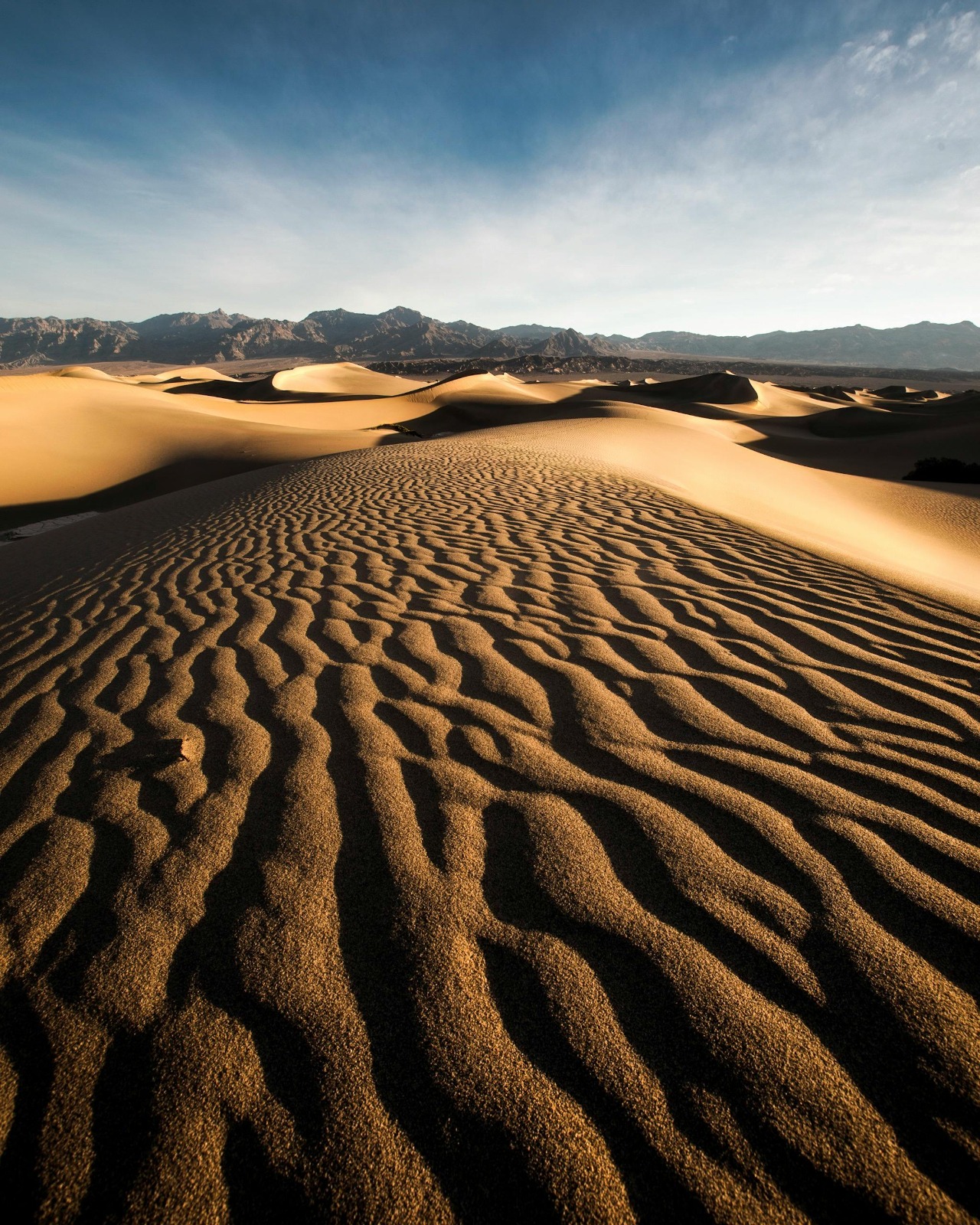
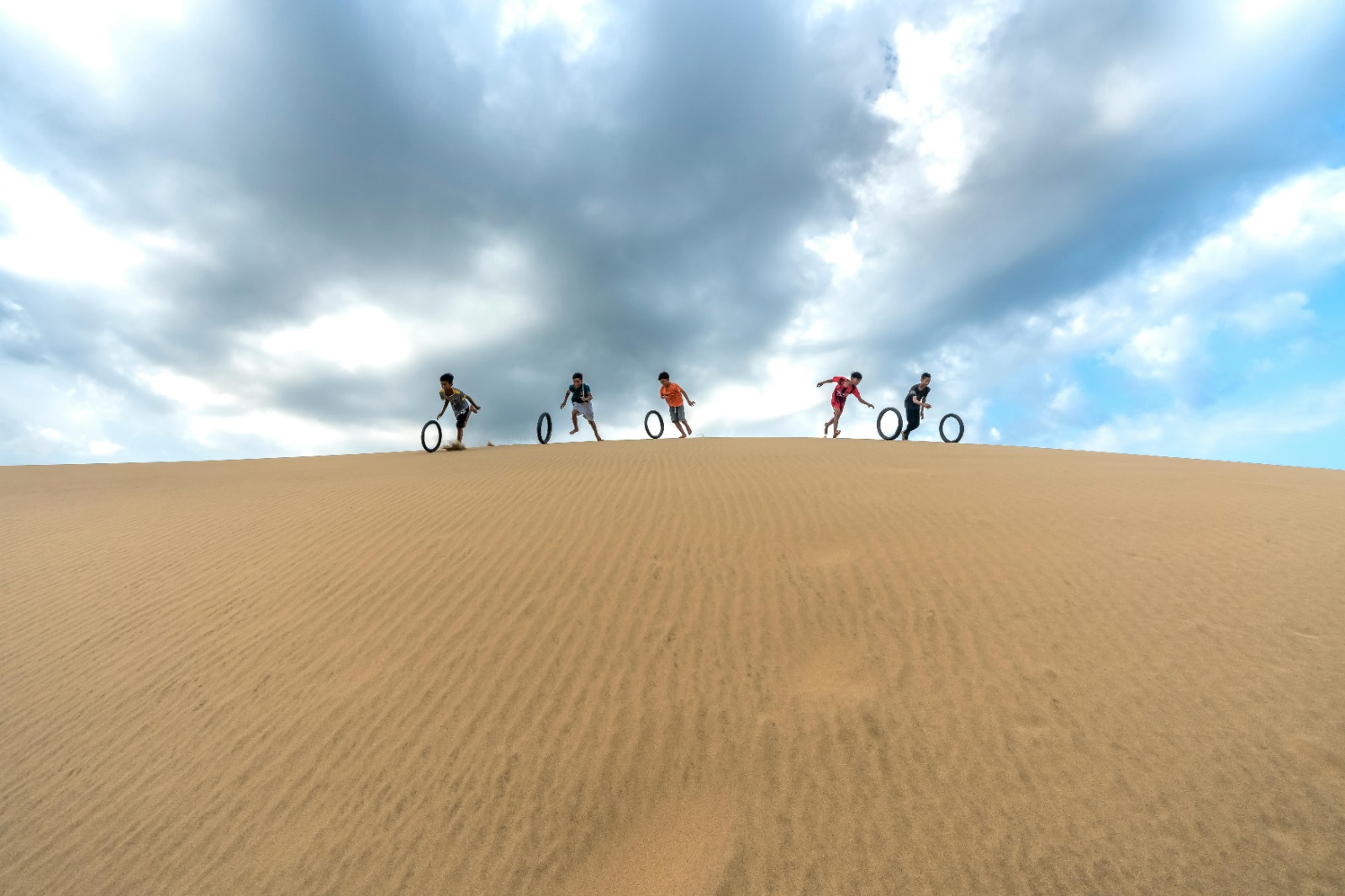
It is a hot afternoon in April. The children amble barefooted across the heated desert sand past thickets and brush with lunchboxes swinging in their hands towards the lake. Lunch period is over, it marks the end of school for the day at Ille Primary school in Eliye Springs Township in Turkana county. As sun beats down relentlessly upon the bare, almost waste land of Turkana, the teachers chat to pass time in the heat of day as they wait for the temperatures to drop before they can skirt their way across the sand plains back to their homes to prepare for yet another day.
As a volunteer teacher for the summer program, the experience here is worlds apart from anything I have seen back in Nairobi. I have taught in several rural schools but this one is outright special. Many times I have read about children unable to access basic primary education in books and news articles in the papers, but today, I get to meet it in person.
The Reality of Education in Turkana
Unlike the corridors of posh public primary schools in Nairobi where there are boarding facilities, and lessons begin as early as 5:30am with tiny children sitting their puny little selves on wooden locker desks, in well built and aerated classrooms that meet ISO standards, in Ille, it is a little different. Walking past the assembly ground at 7:30am, there is no trace of any learner in the vicinity. Only the deputy head teacher is present in the school compound. The learners will start to stream in at 8:30am after they have tended to their families, their younger siblings and their animals. In most households, children take turns to attend school and herd their livestock. Fair to say, it is an early start for them.
In most schools across the country, learners are expected to dress in uniform and most students strictly adhere to every piece of it. With different attire for class time, games time, the weekend, and in some cases even High tea, here, majority of the learners can only afford to dress in a single element of the uniform, either the shirt only, or the skirt or shorts paired with articles of clothing that round off to the nearest to the color of the uniform. Shoes are not a significant part of this equation.
After assembly, as the heat begins to pick up, the classes follow each other in rapid succession as stipulated in the timetable written on the chalkboard in the staffroom. Here, green is too costly, paper is luxury. Only the upper classes, from Grade 5 onwards get a book for each subject. Most of them mix subjects in the same book. In the lower grades most of them do not even own books. It is just too costly for their parents to afford. The few who do are too carefree to take proper care of them so they are often eaten by goats.
A Lesson from the Desert
In one class, I asked, "What does a cow eat?" A beautiful long necked girl raised her hand and answered confidently, "Grass" And the class automatically clapped. 'What about a goat?' I proceeded. A tall, sturdy boy put his hand up and answered "Paper box" And the rest of the class automatically clapped again. Yes, you heard me, a goat eats paper boxes.
You can imagine the look on my face as I tried to keep it together, I was perturbed. I do not know what herbivores in your world eat, but on the shores of the desert Lake Turkana, they eat paper from schools when the scanty shrub vegetation dries up during long droughts that grow longer each year as climate events grow more severe.
Growing up in the city, I never would have expected such diversity within the same curriculum. By the time a 4 year old steps in school, they can already speak 2 languages and all the basic English there is pretty to know. I remember joining First grade in Green View Academy - a Municipal school in Kisumu city- Kenya. All I knew was Swahili and my mother tongue - Dholuo. English was new and almost too heavy for my young mind to comprehend. I was raised in the village, so what would you expect? But coming to the city, where every child played in English because of a strict language policy, my first two weeks of school were grueling.
Language Barriers and Learning Gaps
Most of the learners in lower grade classes in Ille Primary school, like my younger self, do not understand English, let alone Swahili. The best they know is Turkana, so the few who understand swahili translate what the teacher says for their fellows to Turkana. But the greatest paradox is that the learning material and syllabus is written in English and four out of five teachers are non natives. For such, a normal class proceeding would include the teacher reading from the text book in English, translating the text to swahili, explaining it to the few who understand swahili, then they translate it to Turkana and explaining it to their fellows.
Life Lessons Beyond the Classroom
The majority of Turkana's population are fishermen who rely on the lake for their livelihood. Their children learn to swim even before they can walk, and the vast desert shrubs where they take their animals to graze are their grand lesson book. Here they learn to survive, and thrive under the scornful eye of the sun. They fight bandits and wild animals to give a chance to their herds and the young. As their parents migrate with their herds, so do the older male children migrate, or should I say the first grade students. Here in the wilderness there are no books to read or write. The most important lessons are how to fire a shotgun, how to escape bandits and how to track water and pasture. For the girls, fending for the family is more important. That the younger siblings are bathed, fed and pacified. And that the family has something to eat is fully her responsibility, from as early as age twelve.
I was shocked to meet Peter, a nineteen year old local who could not write his name, let alone spell it. But such is the case of thousands of whom Peter is just one of them. The children start schooling at about 10 years of age, for kindergarten. Half of the school term is spent in the grazing fields and school here lasts only half a day. Most learners lose track of the academic lessons and over time an interest in learning altogether. Few of these folk have ever left their town. Only a few have had the privilege of reaching the neighbouring town center- Lodwar. Even fewer have consistently seen the doors of a classroom.
The Education Question
As the world competes towards giving every child access to quality education and local governments invest in free basic primary education the curriculum keeps changing every other day. From 844, to CBC to CBE, the question remains, just how effective is the mode of delivery and overall impact of the existing system. Just how good a competitive edge does the system of education grant to the child in the most remote parts of the world in this breakneck race towards intellectual growth and technological advancement and climate resilience in the world today?